Meeting Australia's renewable energy and climate targets will depend on the ability to produce genuinely low-cost and scalable green hydrogen to replace the fossil fuels we use in heavy transport and heavy industry today. Most green hydrogen is made by electrolysis, which uses a lot of electricity and keeps costs high enough to stall the industry.
Professor Greg Metha and his team at the Adelaide University are building an alternative: hydrogen produced by photocatalytic water splitting. It uses sunlight, not electricity, to drive the reaction that splits water into hydrogen, with photocatalysts (substances that speed up a chemical reaction when exposed to light) doing the work.
The result is low-cost, scalable, truly green hydrogen without significant electricity use.
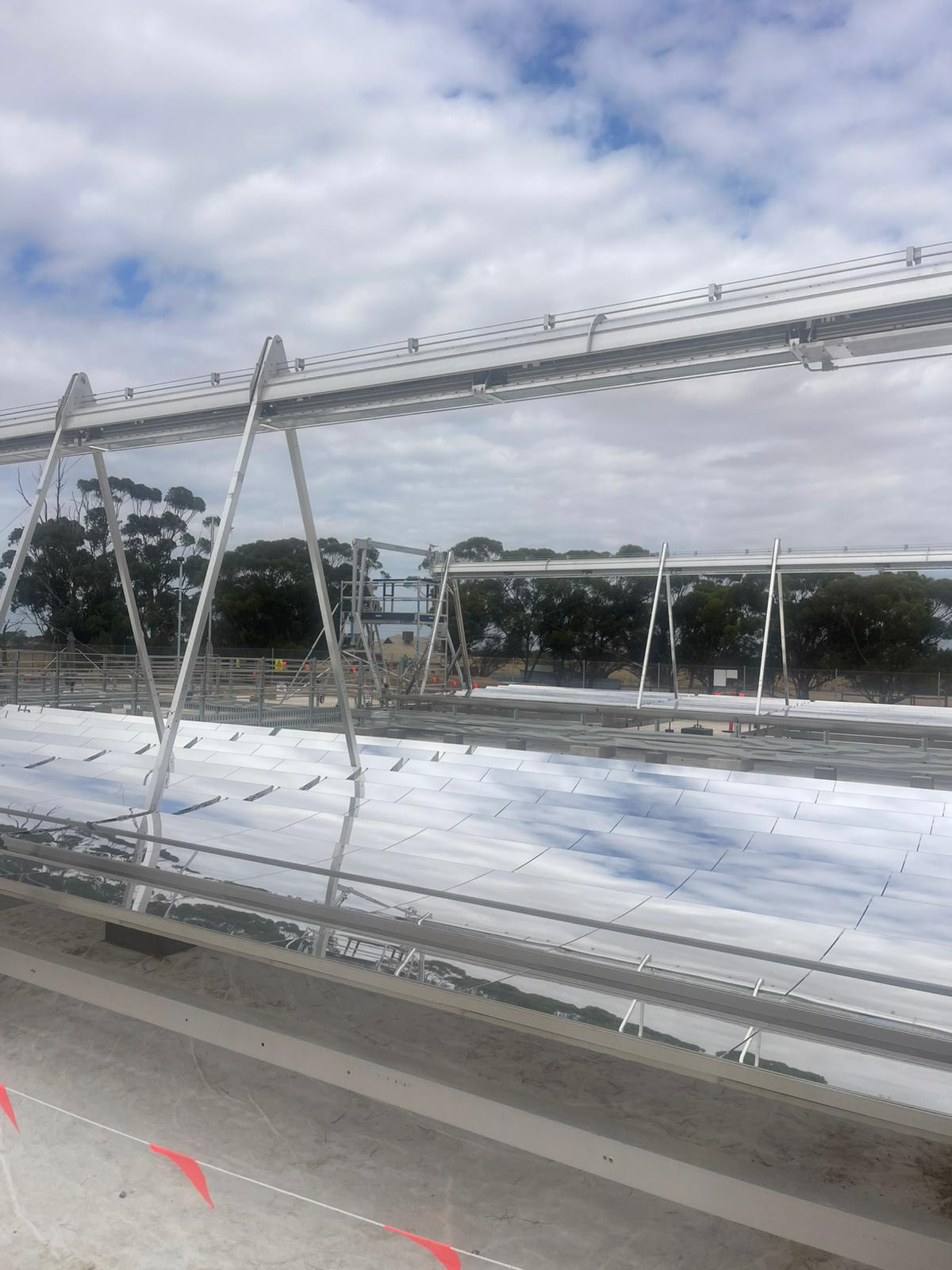
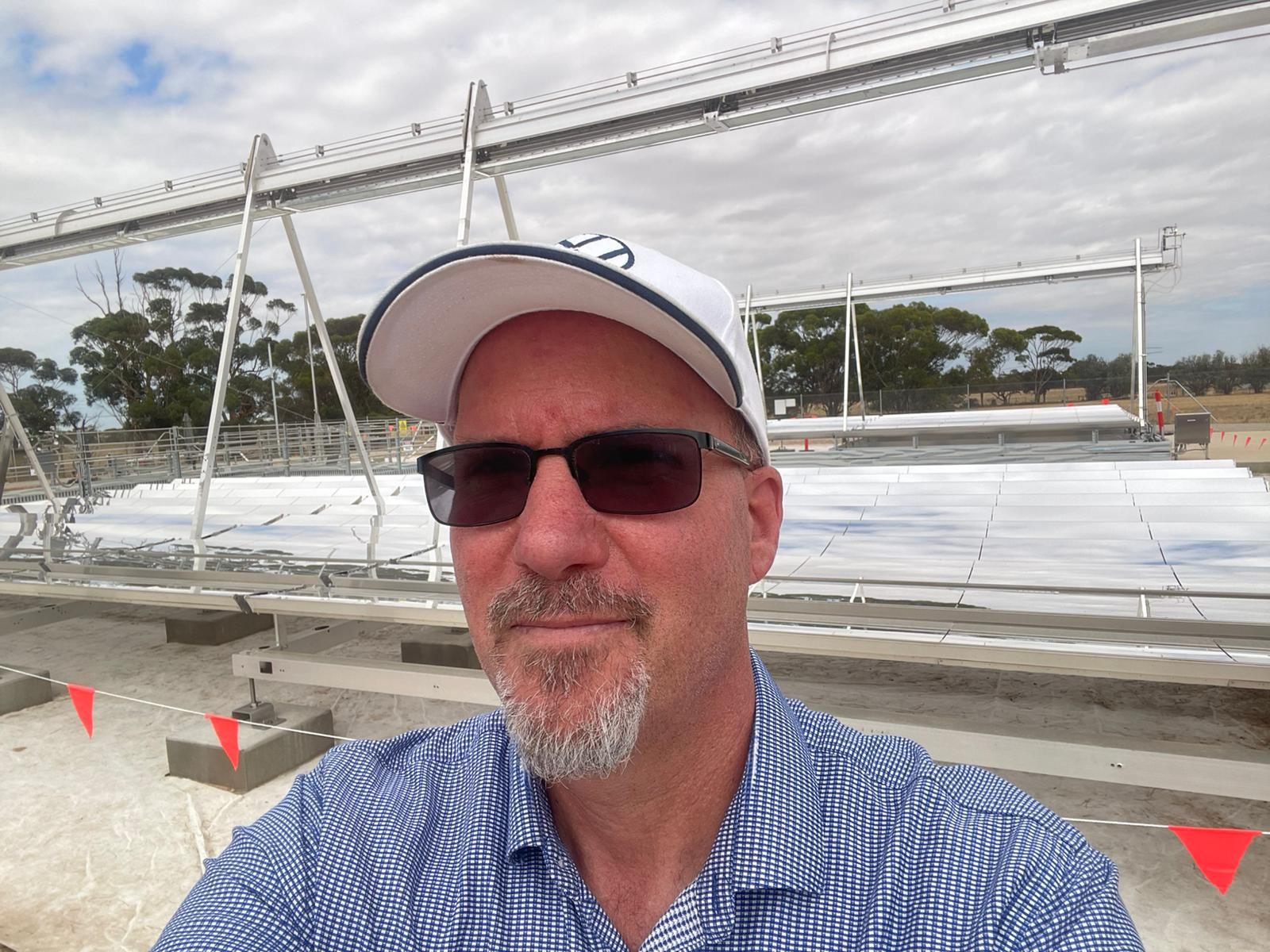
Sparc Hydrogen, a joint venture between, Adelaide University, Sparc Technologies and Fortescue, is commercialising the innovation. Together, these partners built the Sparc Hydrogen Advanced Research Pilot (SHARP) at the University's Roseworthy campus. It is the first facility of its kind in the world.
SHARP proved the concept. The next step was commercial scale, and that needed major federal funding to test different reactor designs and photocatalyst materials. That meant winning Australia's Economic Accelerator (AEA) Innovate, where the bar is a credible path to commercialisation and the field is crowded with strong applicants.
Straight Up project managed and wrote both bids, end to end. First, the AEA Ignite grant for on-sun testing, which built the capability and evidence base at SHARP. Then the larger AEA Innovate bid on top of it.
The hard part was not the science. It was translating complex photocatalysis research into a commercial story credible enough to beat the field. We made the advantages over electrolysis, the role of SHARP, and the path to market front and centre for assessors. Managing both bids meant the research team stayed focused on the science while we built the case.
The team won $2.75 million through AEA Innovate in 2025, building on $470,511 from the AEA Ignite grant in 2024. Together, that is $3.22 million in federal funding to test reactor designs and photocatalyst materials at SHARP and scale toward commercial application. It backs world-leading Australian work in green hydrogen, and moves a genuine low-cost alternative to electrolysis closer to the market.